





Monday, Jun 29, 2026 22:00 [IST]
Last Update: Sunday, Jun 28, 2026 16:24 [IST]


Data-driven
study to improve equitable supply, modernise infrastructure and prepare the
capital for future demand
GANGTOK,: Seeking to address recurring water shortages through scientific planning, the State Public Health Engineering (PHE) department has launched the first comprehensive flow test of Gangtok’s water distribution network, marking a significant step towards data-driven water management in the State capital.
The
exercise aims to study how water moves through the city’s reservoirs and
pipelines, identify distribution imbalances, calibrate control valves and
generate technical data that will guide future infrastructure development and
ensure a more equitable supply, particularly during the lean winter months.
Speaking
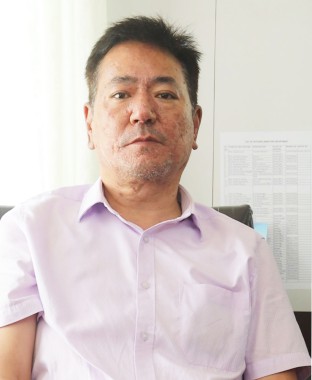
to media, PHE secretary Sailendra Sharma said the initiative is being
undertaken in line with Chief Minister Prem Singh Tamang’s vision of improving
the quality of life by strengthening essential public services through
scientific planning and modern infrastructure.
He
said Gangtok has witnessed rapid urban expansion over the years, with growing
population, new residential areas and changing consumption patterns
significantly increasing the demand for drinking water.
“While
the department has regularly assessed water demand, this is the first
comprehensive scientific study of Gangtok’s entire distribution network. The
data generated through this exercise will help us plan future infrastructure,
optimise water distribution and build a more efficient and resilient supply
system,” Sharma said.
He
added that the initiative is being carried out under the continuous guidance of
PHE minister Sonam Lama, with its progress being reviewed regularly to ensure
systematic implementation.
During
a field visit to the Chorten Zonal Tank, engineers demonstrated the testing
process, which involves measuring water levels before and after operating
distribution valves to calculate inflow and outflow in litres per hour. The
exercise enables engineers to understand the actual hydraulic behaviour of each
reservoir and assess whether water is being distributed proportionately across
different service areas.
According
to junior engineers Chungkila Bhutia and Mandira Rai, the data collected will
help determine the actual demand and supply at each zonal reservoir and support
more balanced water distribution during the dry season. They said the monsoon
provides the ideal window for conducting such tests, as sufficient water is
available to carry out controlled observations without causing prolonged
inconvenience to consumers.
Explaining
the technical significance of the study, chief engineer Sonam PaldenWangdi said
Gangtok’s water supply system operates entirely on gravity. Water sourced from
Rateychu is treated before being stored at Selep, the city’s primary storage
facility, from where it flows to around 25 zonal reservoirs before being
distributed to households.
“The
issue is not always the availability of water. Even during the monsoon, when
our main storage reservoirs are full, some areas continue to report shortages.
That indicates the need to scientifically understand how water is moving
through the distribution network before implementing corrective measures,”
Wangdi said.
A
key component of the exercise is the calibration of control valves, which
regulate the volume of water supplied to different localities. Using field
measurements, engineers will determine the optimum valve settings to ensure a
more balanced and equitable distribution across the city.
The
study is also expected to identify ageing pipelines, areas requiring network
augmentation and locations where future infrastructure investments will be most
effective. Simultaneously, PHE department is working to strengthen the Rateychu
water source through the proposed installation of a Tyrolean Weir intake
system, which is expected to improve water collection efficiency while reducing
sediment-related challenges.
Officials
said the findings will further support implementation of the proposed Water
Supply Act 2025, which seeks to strengthen regulation of the drinking water
system, including the regularisation of unauthorised water connections.
While
the department has not yet disclosed the detailed findings of the ongoing
study, officials said the data is currently undergoing technical evaluation
before operational decisions are taken.
More
than a routine engineering exercise, the flow test represents a shift towards
evidence-based management of Gangtok’s water supply system. By combining
scientific measurements with long-term planning, PHED hopes to improve
distribution efficiency, strengthen ageing infrastructure and build a more
reliable water supply network capable of meeting the demands of a rapidly
growing capital.